
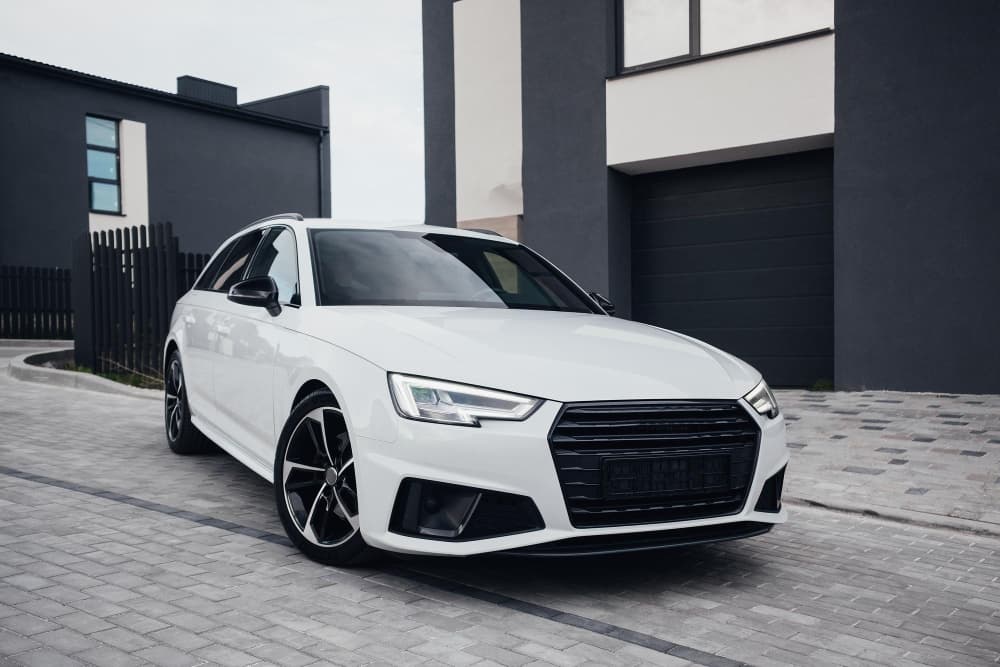
Importing a car into Ireland can be a rewarding way to find a vehicle that suits your needs and budget, particularly when sourcing from the UK or other European markets. However, the process involves several mandatory steps, taxes, and documentation requirements that catch many first-time importers off guard. This guide walks you through everything you need to know to bring a vehicle into Ireland legally and cost-effectively.
Step 1: Decide Where to Import From
The first decision is choosing your source country. The United Kingdom remains the most popular option for Irish importers due to right-hand-drive vehicles, geographic proximity, and a large used-car market. However, since Brexit, importing from Great Britain (England, Scotland, and Wales) now involves customs duty and VAT, which significantly affects the total cost.
Vehicles imported from Northern Ireland are treated differently and generally avoid customs charges if they meet specific residency and registration conditions. Importing from other EU member states avoids customs duty entirely but introduces logistics and left-hand-drive considerations.
Step 2: Understand the Total Cost of Importing
Many importers focus only on the purchase price, but the true cost includes several additional layers:
- Vehicle Registration Tax (VRT) — the largest variable cost
- Customs duty (typically 10% for UK-origin vehicles from Great Britain)
- VAT (23% on the vehicle plus transport and duty for GB imports)
- Transport and ferry costs
- NCT and roadworthiness checks
- Registration plates and administration fees
Calculating these in advance prevents nasty surprises. A car that seems cheaper abroad can quickly become more expensive than a domestic purchase once all charges are applied.
Step 3: Calculate Your Vehicle Registration Tax (VRT)
VRT is the tax payable when registering an imported vehicle in Ireland, and it is often the single most significant cost in the import process. The amount you pay depends on the vehicle’s Open Market Selling Price (OMSP) — the price Revenue estimates the car would sell for in Ireland — combined with its CO₂ emissions and, for certain vehicles, NOx emissions.
For passenger cars (Category A), VRT is charged as a percentage of the OMSP based on emission bands. Lower-emission vehicles attract lower VRT rates, while high-emission cars can face rates exceeding 40% of the OMSP. Commercial vehicles and motorcycles fall under different categories with their own rates.
Because VRT is based on Revenue’s valuation rather than what you actually paid, estimating it accurately before purchase is essential. To get a clear picture of what you’ll owe before committing to a vehicle, you can use VRT-calculator.ie to estimate your liability based on make, model, age, and emissions data. Running these numbers early can be the difference between a profitable import and an expensive mistake.
You must pay VRT within 30 days of the vehicle arriving in Ireland, and the registration appointment must be booked through the National Car Testing Service (NCTS).
A Concrete Example: Importing a Volkswagen Golf from the UK
Let’s walk through a realistic case to see how the total cost adds up.
The scenario: You find a 2021 Volkswagen Golf 1.5 TSI for sale in England, priced at £15,000 (roughly €17,500). It has 45,000 km on the clock and CO₂ emissions of 124 g/km.
Here’s how the full cost breaks down:
- Purchase price £15,000 ≈ €17,500
- Transport and ferry Bringing the vehicle over from England by ferry, plus fuel and tolls: around €400.
- Customs duty (10%) Because the car was manufactured in Germany (non-UK origin), a 10% customs duty applies to the vehicle value plus transport: (€17,500 + €400) × 10% = €1,790 Note: if the Golf qualified as UK/EU origin under rules-of-origin requirements, this duty could be reduced to 0%.
- VAT (23%) VAT is charged on the combined total of vehicle, transport, and duty: (€17,500 + €400 + €1,790) × 23% = €4,528
- VRT (Vehicle Registration Tax) This is where it gets tricky. VRT is not calculated on your purchase price, but on the OMSP — the value Revenue estimates for this model in Ireland, say €22,000. With emissions of 124 g/km, the Golf falls into a VRT band of roughly 15%: €22,000 × 15% = €3,300
Total real cost:
| Item | Amount |
| Purchase price | €17,500 |
| Transport / ferry | €400 |
| Customs duty (10%) | €1,790 |
| VAT (23%) | €4,528 |
| VRT (15% of OMSP) | €3,300 |
| Total | €27,518 |
A car advertised at €17,500 ends up costing over €27,500 once all charges are applied — nearly 60% more than the sticker price. This example shows exactly why estimating VRT and import taxes before you buy is so critical, and why using a VRT calculator upfront can save you from an expensive miscalculation.
Step 4: Handle Customs and VAT (for GB Imports)
If you’re importing from Great Britain, you must complete a customs declaration before the vehicle arrives. This is done through Revenue’s import system, and you’ll need:
- Proof of purchase (invoice)
- Vehicle identification details (VIN)
- Shipping and transport documentation
Customs duty of 10% generally applies to vehicles manufactured outside the UK or EU, though preferential rates may apply for UK-origin vehicles meeting rules-of-origin requirements. VAT at 23% is then charged on the combined value of the vehicle, transport, and any duty. These charges must be settled before the car can be presented for registration.
Step 5: Gather Your Documentation
Before booking your VRT appointment, ensure you have a complete set of documents. Missing paperwork is one of the most common causes of delays. You’ll typically need:
- The vehicle’s foreign registration certificate (V5C logbook for UK cars)
- Invoice or proof of purchase showing the date and price
- Evidence of the date the vehicle entered Ireland (ferry ticket or transport invoice)
- Proof of customs clearance (for GB imports)
- Your personal identification and proof of address (PPS number required)
- A current Certificate of Conformity for newer vehicles
Keep both originals and copies, as the NCTS centre will inspect them during your appointment.
Step 6: Book and Attend Your VRT Inspection
VRT registration is processed at NCTS centres. You must book an appointment within 7 days of the vehicle arriving and complete registration within 30 days. During the inspection, the centre verifies the vehicle’s identity, mileage, condition, and emissions data against your documentation.
If everything is in order, you’ll pay the VRT due and receive your Irish registration number. You can then order Irish-format number plates, which must be fitted promptly.
Step 7: Complete Registration and Roadworthiness Requirements
Once you have your Irish registration, a few final steps remain:
- Motor tax — register and pay motor tax based on your vehicle’s emissions or engine size
- NCT — arrange a National Car Test if the vehicle is over four years old
- Insurance — secure Irish motor insurance before driving on public roads
- Number plates — fit compliant Irish plates immediately
Common Mistakes to Avoid
First-time importers frequently underestimate the total cost by ignoring VRT and VAT, miss the strict 30-day registration deadline, or buy a vehicle without checking its history. Always verify a car’s background — mileage, accident history, and outstanding finance — before purchase, especially with imports where local checks may not apply.
Failing to complete customs declarations correctly for GB vehicles can also lead to penalties and delays at the registration stage.
Final Thoughts
Importing a car into Ireland is entirely achievable with careful planning. The key is to research thoroughly, calculate every cost in advance, and respect the strict deadlines that apply to VRT and registration. As our Volkswagen Golf example showed, the gap between the advertised price and the real cost can be substantial — so understanding the full picture, from customs duty and VAT to emissions-based VRT, is what separates a smart import from a costly one.
Take time to estimate your VRT liability before committing to any purchase, gather your documentation early, and book your inspection promptly. With the right preparation, your imported vehicle can be road-legal in Ireland without unnecessary stress or expense.